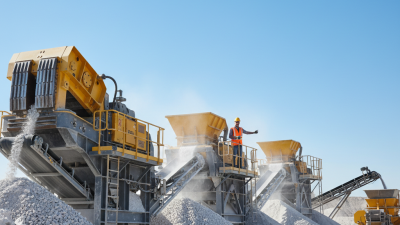
Limestone is a common raw material for cement, road base, and construction aggregate. Before it can be used, large blocks must be reduced to suitable sizes. A Limestone Crusher Machine performs this work by applying force to rock, breaking it into smaller pieces. The process may look simple, but feed size, stone hardness, moisture, and the required product shape all affect performance.
At a quarry, an excavator may feed limestone into a vibrating feeder, which controls the flow toward a crusher. A jaw crusher often handles the first reduction, pressing rock between a fixed plate and a moving plate. Further stages may use impact or cone crushers, depending on the desired output. Screens separate correctly sized material from larger pieces, which can return for another pass. The equipment can be loud. Dust control and routine inspection matter.
Understanding how the machine works helps operators choose suitable settings and recognize signs of trouble, such as uneven discharge or unusual vibration. No single crusher suits every site. A compact operation and a high-volume quarry have different needs. Even a clear process diagram leaves out practical details: limestone varies, wear parts deteriorate, and settings require adjustment. These factors make equipment selection and maintenance as important as the crushing mechanism itself.
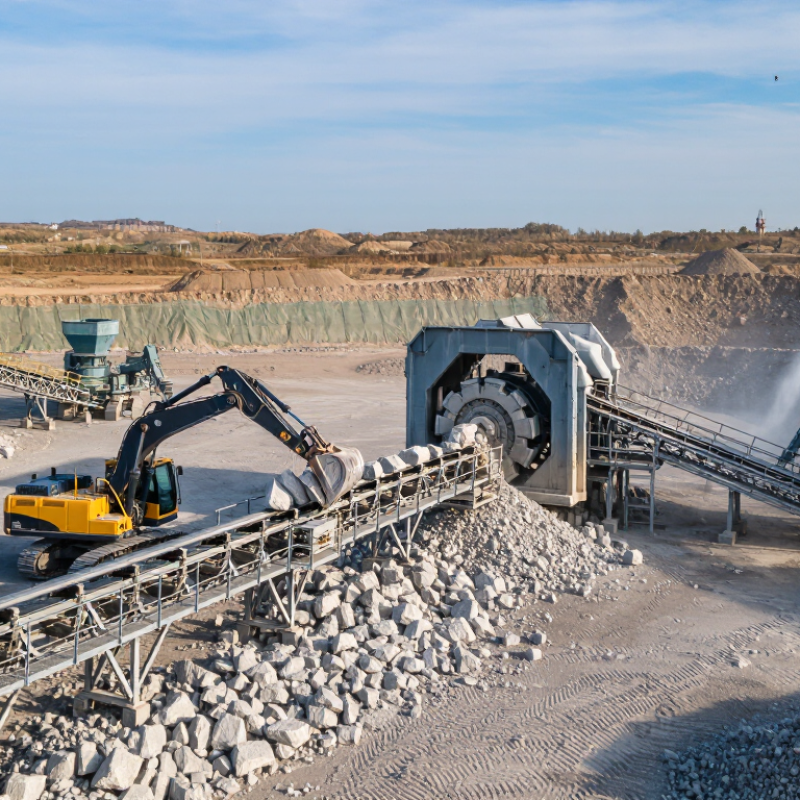
A limestone crusher machine is equipment that reduces quarried limestone into smaller, usable pieces. It applies compressive or impact force, depending on the crusher design. The result may be coarse stone for road base or finer material for concrete and other applications. It is one step in material processing, not a complete production system. Feed size and the required output shape help determine which machine fits the job.
Its purpose is to make stone easier to handle, transport, and use. A primary crusher handles larger rocks, while later crushing stages can produce more controlled sizes. Operators monitor the discharge and adjust settings when the material becomes too coarse or fine. Real sites are messier than a simple diagram suggests. Moisture, uneven feed, and worn parts can affect performance, so output should be checked rather than assumed.
Tips: Check the limestone’s size and condition before choosing a crusher. Keep feed steady, and inspect wear parts regularly. Dust control matters around transfer points. Small adjustments can help, though results may vary with the stone. A setup that works well on dry, uniform rock may need changes when the feed is damp or inconsistent.
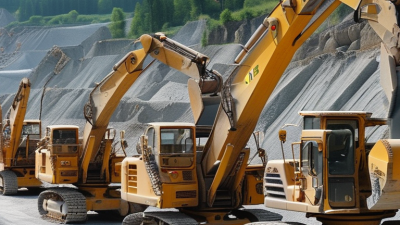
A limestone crusher is a coordinated assembly, not just a set of crushing jaws. The feed hopper receives blasted rock, while a vibrating feeder meters it into the crushing chamber. This steady flow helps prevent sudden overloads. The U.S. Geological Survey’s Mineral Commodity Summaries 2024 estimated U.S. crushed-stone production at about 1.5 billion tons in 2023; limestone and dolomite made up roughly 70 percent. That scale makes reliable component upkeep important.
Inside the chamber, a primary jaw crusher compresses large pieces between a fixed and moving plate. In impact crushers, a rotor and blow bars strike the stone instead. The drive motor, belts, bearings, and flywheel transfer and stabilize power. Worn liners or loose belt tension can reduce output and produce uneven fragments. Small parts matter. Operators should inspect them during planned shutdowns, not only after noise or vibration appears.
After crushing, discharge conveyors carry material to screens, which separate usable sizes from oversized pieces needing another pass. Dust-control sprays or extraction points limit airborne fines near transfer areas. A practical detail is the build-up of damp limestone beneath chutes; it can restrict flow even when the crusher itself runs normally. USGS production figures describe industry scale, not machine performance, so actual capacity depends on feed size, moisture, settings, and maintenance. One inspection can still miss a developing fault.
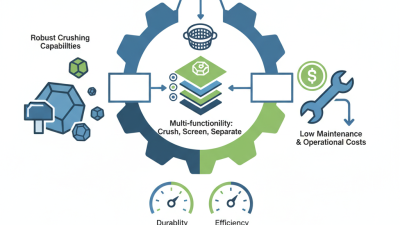
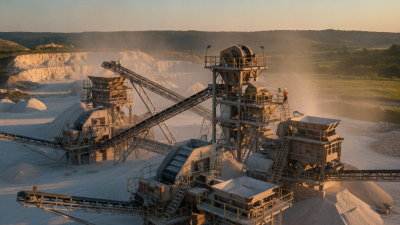
A limestone crushing line typically uses a feeder to supply rock, a primary crusher to break large pieces, screens to sort material, and conveyors to move it between stages. The chart shows an illustrative reduction in stone size; actual results depend on the feed material, crusher type, and settings.
Limestone reaches a crusher as blasted rock, often mixed with fines, clay, and unevenly sized pieces. Before crushing, operators inspect the material and remove oversized debris that could block the feed opening. A loader places rock into a hopper, where a vibrating feeder meters it onto the conveyor. The steady flow helps prevent sudden surges and keeps the crusher working consistently. Keep it steady.
A grizzly screen may separate smaller stones before they enter the crusher, reducing unnecessary wear. Moisture matters, too: damp clay can cling to rock and restrict chutes, while very dry material creates more dust. Operators check the feed size, watch for buildup, and adjust the feeder when the crusher starts to choke or run unevenly. These checks are simple, but they are easy to skip during a busy shift. That can cost time.
Tips: Keep the hopper below its safe working limit, and avoid dropping large rocks from excessive height. Clear buildup only after equipment is stopped and secured. Check belts and screens for wear during routine inspections. A short look at the feed can reveal trouble before it reaches the crusher.
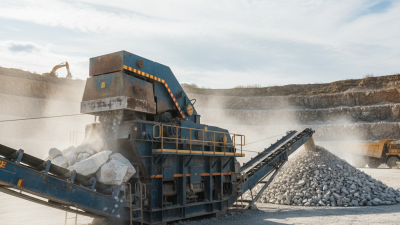
A limestone crushing line begins with blasted or quarried rock, often mixed with dust and uneven chunks. A vibrating feeder meters the material into a primary crusher, commonly a jaw type. Its moving plate presses rock against a fixed plate, breaking large pieces into manageable fragments. The sound is blunt and rhythmic. Feed size matters: oversized stones can slow production or strain equipment.
Crushed limestone then moves along a conveyor to a screen. The screen separates pieces by size, letting suitable material continue while larger fragments return for another pass. Depending on the required product, a secondary crusher reduces the rock further. Impact crushers break it with fast-moving bars; cone crushers compress it between shaped surfaces. The right choice depends on the stone, desired gradation, and operating conditions.
The process is controlled, but not perfectly uniform. Moisture can make fine particles cling to screens, and changing rock hardness affects output. Operators check conveyor flow, screen condition, and finished-size samples, then adjust feed rate or crusher settings. That routine sounds simple. It is not always. Dust suppression and guarded access also matter, since crushing creates airborne fines and powerful moving parts. In practice, a small adjustment can shift the product size more than expected.
Crusher choice in limestone processing depends on feed size, moisture, and the required product—not a fixed equipment ladder. A jaw crusher commonly handles primary reduction, breaking blasted rock into pieces suitable for downstream screening. Its discharge may still be too coarse for aggregate or kiln feed. Check the actual feed size.
The U.S. Geological Survey’s Mineral Commodity Summaries 2024 estimates U.S. crushed-stone production at about 1.5 billion tons in 2023 and identifies limestone and dolomite as major categories. That scale explains why small efficiency losses matter.
Still, national figures cannot predict a quarry’s results. Moisture, clay seams, and feed variation change performance. That trade-off gets overlooked. Operators should compare samples from several parts of the feed, then track screen returns, power draw, and wear. A tidy specification sheet is not enough.