Top Mineral Crusher Manufacturers for Global Buyers
Top Mineral Crusher Manufacturers for Global Buyers begins with a practical question: who can deliver reliable crushing performance across demanding sites?
The U.S. Geological Survey estimated approximately 1.5 billion metric tons of crushed stone production in 2023. That volume reflects continuing demand for roads, concrete, railways, and industrial materials. The International Energy Agency also reports that cement production creates roughly 7% of global carbon dioxide emissions. Efficient crushing can reduce wasted energy, excessive wear, and unnecessary transport.
Comminution specialist Professor Alban Lynch stated, “Comminution is the largest consumer of energy in the mining industry.” His observation remains highly relevant for equipment buyers. A suitable Mineral Crusher must match feed size, rock hardness, moisture, throughput, and maintenance conditions. Field experience matters here. A machine that performs well in a laboratory may struggle beside a dusty quarry face.
This guide compares leading manufacturers through engineering capability, product range, automation, service coverage, spare-parts availability, and lifecycle cost. It also considers independent reports, including USGS mineral data and energy-efficiency research from recognized mining institutions. These sources provide useful context, but market figures can differ. No ranking is perfect.
Buyers should inspect test results, liner life, power consumption, noise controls, and local technical support. Ask for site references. Check the details.
A dependable supplier should explain limitations, not only advertise capacity. That honesty may reveal more than a polished brochure.
Mineral Crusher Manufacturers: Industry Scope and Product Categories
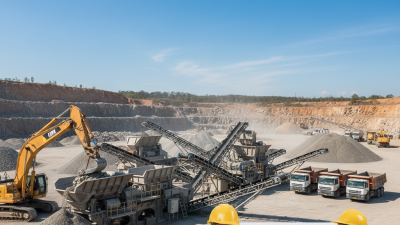
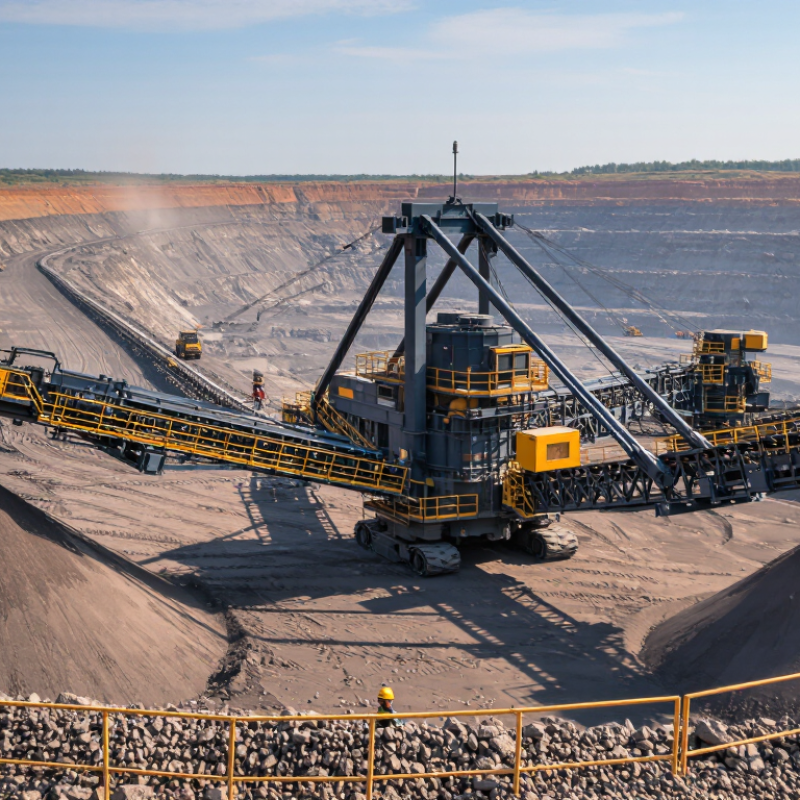
Mineral crusher manufacturers serve mining, quarrying, recycling, and industrial processing operations worldwide. Their industry scope covers equipment design, material testing, fabrication, installation support, and replacement wear parts. Reliable manufacturers usually study ore hardness, moisture, abrasiveness, and feed size before recommending a machine. A crusher chosen from capacity alone may perform poorly in real conditions.
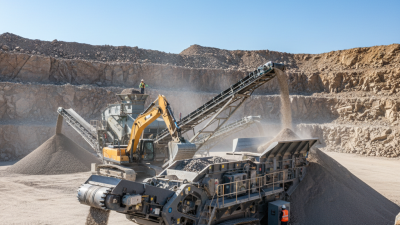
The main product categories include jaw crushers for primary reduction and cone crushers for controlled secondary or tertiary crushing. Impact crushers suit materials requiring shaping and moderate reduction. Gyratory crushers handle very large feed sizes and high continuous capacity. Roll crushers can support smooth, low-fines processing, while hammer crushers work well with softer minerals. Mobile units provide flexibility at changing sites. Stationary systems often support stable, high-volume production.
Experienced buyers should compare reduction ratios, power demand, liner life, discharge control, and maintenance access. Ask for test data using similar mineral characteristics, not only laboratory averages. Check whether technicians can provide commissioning guidance and clear spare-parts schedules. Site conditions matter greatly. Dust, vibration, cold weather, and limited lifting equipment can change the practical value of a design.
Specifications can look impressive. Field performance may differ. This is where careful verification matters. A lower purchase price may create higher downtime costs through premature wear or difficult servicing. Even experienced teams sometimes overlook operator training and feed consistency. That oversight deserves honest review before procurement.
Leading Mineral Crusher Manufacturers by Equipment Specialization
Top Mineral Crusher Manufacturers for Global Buyers
Leading Mineral Crusher Manufacturers by Equipment Specialization
Mineral crusher manufacturers increasingly specialize by equipment type, not broad catalogs. Jaw crusher specialists usually target primary reduction, where large rocks enter directly from drilling and blasting. Cone crusher manufacturers focus on controlled secondary and tertiary crushing, often producing a tighter aggregate curve. Impact crusher specialists serve softer stone, recycled concrete, and applications requiring better particle shape.
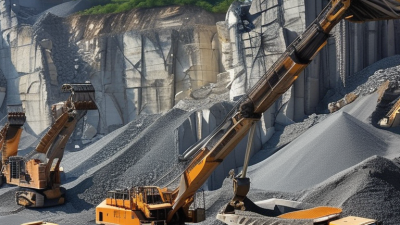
High-capacity gyratory equipment suits continuous mining operations with heavy feed volumes. Roll crushers and mineral sizers can perform better with sticky, clay-rich material. Mobile crushing specialists add tracked platforms, shorter setup times, and easier relocation between pits. This distinction matters. The USGS Mineral Commodity Summaries 2024 reported approximately 2.5 billion metric tons of global iron ore mine production in 2023. Such volume demands stable uptime, not only impressive laboratory capacity.
Manufacturers should support their claims with site references, wear-part data, and independent performance testing. Buyers should compare feed size, moisture, abrasiveness, power demand, and final product specifications. A compact machine may reduce transport costs, yet its smaller chamber could limit production during peak shifts. That trade-off deserves honest review.
Tips: Request a sample crushing test. Ask for measured throughput, not brochure estimates. Check local service coverage and replacement-part lead times. My practical caution: projected capacity often assumes ideal feed conditions, which mines rarely maintain.
International Standards, Certifications, and Quality Control
Top Mineral Crusher Manufacturers for Global Buyers
International buyers should assess mineral crusher manufacturers through documented standards, not attractive catalog photos. A dependable supplier should explain how its equipment meets recognized safety and quality requirements. Certifications such as ISO 9001 can indicate controlled processes, but they do not guarantee every machine performs well. Product-specific certificates, material reports, and electrical test records deserve closer attention.
Experienced manufacturers usually provide inspection points for frames, welds, bearings, and wear parts. Ask for dimensional records and test-run videos. Better still, request an independent factory inspection before shipment. Traceability matters when a component fails months later. Serial numbers, batch records, and maintenance instructions can save considerable downtime. In practice, some suppliers present excellent paperwork but weak production discipline. That gap needs honest examination. No certificate replaces a careful inspection.
Tips: Request recent test reports, not samples from several years ago. Confirm whether certificates cover the exact crusher model. Compare the stated steel grade with purchase documents. Check safety guards, emergency stops, noise data, and spare-parts availability. Ask who performs final testing. A vague answer is useful evidence, too. Also review export packaging, because damaged control panels or loose liners can turn a compliant machine into an expensive delay. Keep communication in writing. Small misunderstandings become large costs.