How to Choose the Right Stone Crusher for Your Business?
Choosing the right stone crusher for your business can significantly impact your operations. With numerous options available, understanding your specific needs is crucial. John Smith, a seasoned expert in the stone crushing industry, once said, “Selecting the right equipment is half the battle.” This statement highlights the importance of making informed decisions.
When selecting a stone crusher, consider your production goals. Different models serve distinct purposes. For instance, jaw crushers excel in primary crushing, while cone crushers are suited for secondary operations. Analyze your raw materials and understand their characteristics. Each stone type requires different handling.
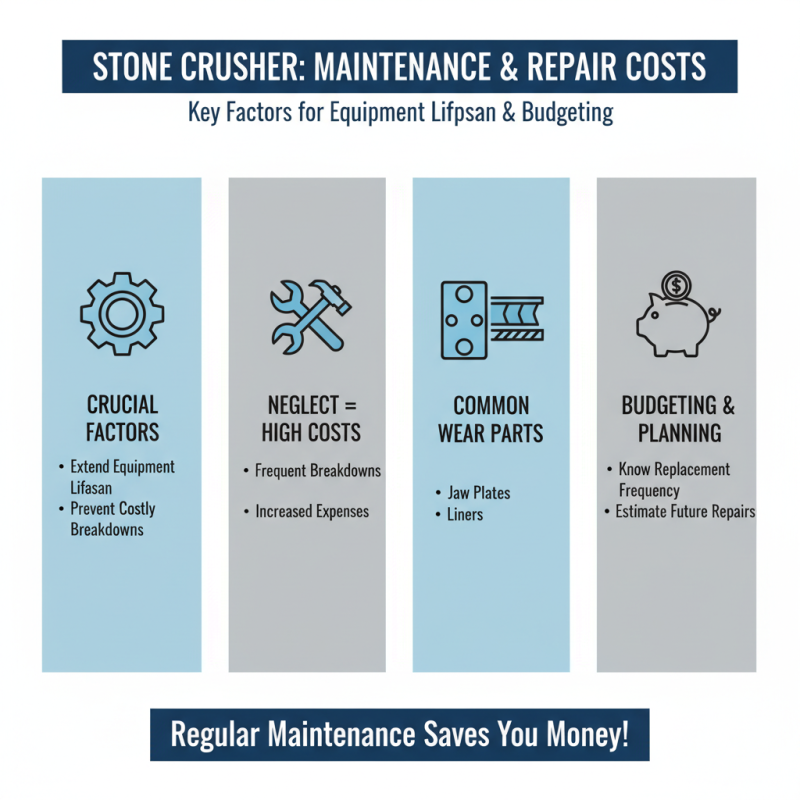
It's important to evaluate the crusher's operational costs and maintenance needs. Higher initial costs can lead to better long-term returns if the machine is efficient. Yet, many businesses overlook this aspect. Investing in quality may seem daunting, but it often pays off. Finding a balance between cost and performance is key.
Understanding Different Types of Stone Crushers and Their Functions
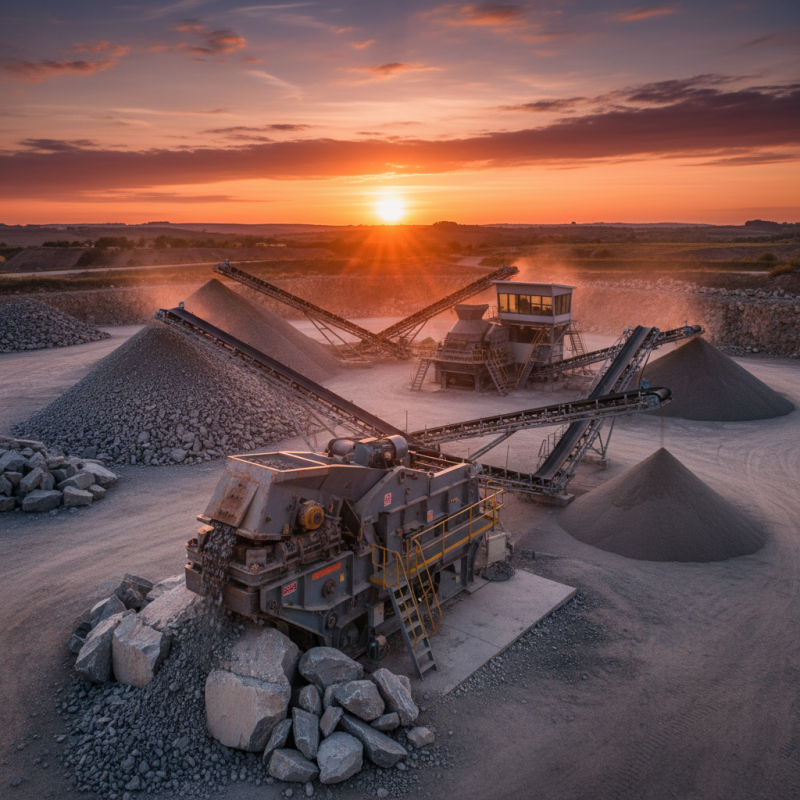
When selecting a stone crusher, it’s important to understand the types available. Jaw crushers are popular for their ability to handle large rocks. They crush stones by compressing them between two plates. This makes them ideal for primary crushing. However, they may not be the best choice for very hard materials.
Cone crushers offer another option. They create a finer output and are versatile. They can handle everything from hard materials to softer stones. While they are efficient, their complexity can lead to higher maintenance costs. Choosing the right type requires careful consideration of your material and output needs.
Tips: Think about your production goals. Assess the types of materials you will crush. Different crushers work better with softer or harder stones. Also, evaluate maintenance needs; some models may require more frequent repairs. Ensuring you invest in the right machine can save costs in the long run. Always consult with professionals when in doubt about your choices.
Assessing Your Business Needs and Production Requirements
When selecting a stone crusher, understanding your business needs is crucial. The production requirements directly influence the crusher type and model you choose. For example, if your business focuses on high-volume aggregate production, a larger primary crusher may be necessary. According to a report from the National Stone, Sand & Gravel Association, the U.S. mining and aggregate industry produced over 2.6 billion metric tons in 2021 alone. This figure highlights the significant demand for efficient crushing solutions.
Assessing material type is also vital. Different stones, such as granite, limestone, and sandstone, have varied hardness and abrasiveness. A crusher's durability must match these characteristics. The American Society of Testing and Materials emphasizes that equipment longevity is essential for minimizing downtime. However, many businesses overlook the importance of proper maintenance, which can lead to unexpected breakdowns and lost productivity.
Consider your operational scale. If your production capacity requirements shift, your initial choice may not remain optimal. The industry can be unpredictable, with changes in demand impacting operations. Some companies invest heavily in advanced technology but fail to adapt when market trends shift. It’s key to revisit your equipment choices periodically and align them with current production goals. Evaluating these factors will ensure a better return on investment and long-term success.
Evaluating Quality and Durability of Stone Crushers
When selecting a stone crusher, evaluating its quality and durability is paramount. According to industry reports, 30% of equipment failures stem from poor material quality. Choosing a durable stone crusher can mitigate unplanned downtime. High-grade materials often lead to a lower total cost of ownership over time.
Look for crushers constructed from robust materials, such as high manganese steel or alloyed iron. These materials resist wear better. A recent survey highlighted that quality crushers had an average lifespan of 15 years, while lower-grade versions lasted only five. Additionally, review the machine's design. Those designed with fewer parts tend to break down less frequently.
Another factor to consider is the manufacturer's reputation. Companies with a long-standing presence often invest in quality control. Transparency in manufacturing processes is a good sign. However, it’s wise to seek reviews or testimonials. Some users report difficulty in obtaining replacement parts or service, even from reputable brands. Not every high-cost crusher guarantees high performance, so it's crucial to analyze all data meticulously.
Analyzing the Impact of Size and Portability on Your Operations
When selecting a stone crusher, the size and portability can dramatically impact operational efficiency. According to industry reports, more than 60% of operations suffer delays due to improper equipment scaling. Choosing the right size is crucial. A larger crusher may increase throughput but could become impractical if mobility is required. Portable models are often preferred in job sites with varying locations. They can adapt quickly to changing demands, boosting productivity.
A recent analysis revealed that portable crushers can reduce operational costs by up to 30%. This is attributable to less downtime and reduced transportation expenses. However, there are trade-offs. Smaller, portable models may not handle larger rocks and materials effectively. Striking the right balance requires understanding the nature of your project and site conditions. It’s essential to assess the average material sizes and monitor how often equipment needs to be relocated.
Reflecting on past experiences can yield valuable lessons. Some operators opt for heavy-duty machines without considering their site’s constraints. This often leads to inefficiencies and higher operational costs. The key is to select a stone crusher that aligns with both the specific materials and logistical needs of your site. Understanding these dynamics is crucial for maximizing efficiency.
Impact of Stone Crusher Size and Portability on Operations