2026 Top Trends in Stone Crusher Machine Technology and Innovation?
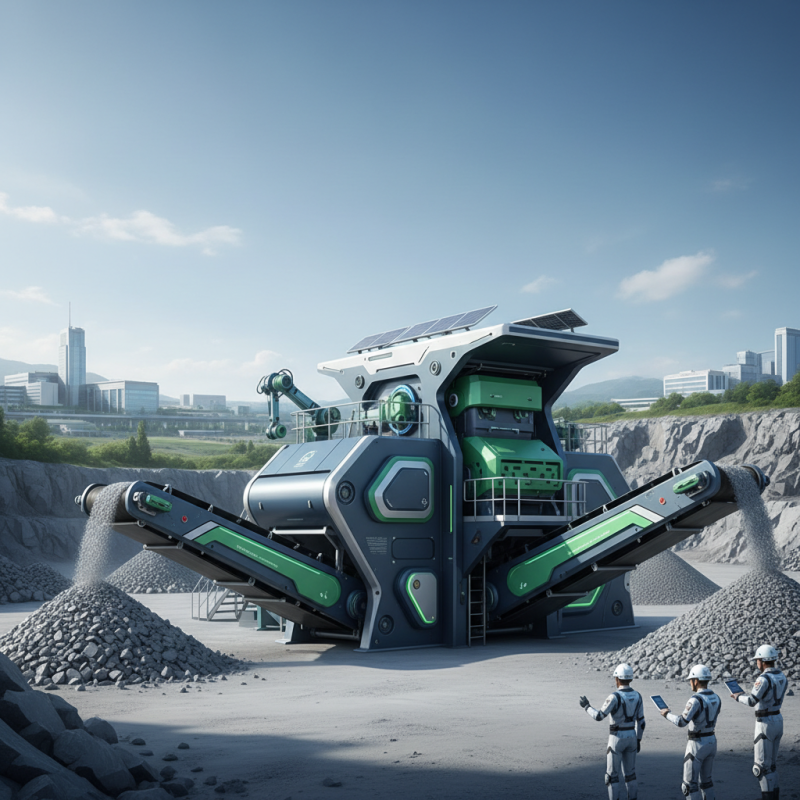
The landscape of stone crushing technology is evolving rapidly. As industries grow, the demand for efficient and eco-friendly Stone Crusher Machine solutions is more significant than ever. Innovations in this sector are set to transform how we approach material processing.
In 2026, we can expect exciting trends that cater to sustainability. New machines will focus on reducing energy consumption. Additionally, advancements may include automation features to minimize labor costs. However, challenges remain in integrating these new technologies effectively.
It's essential to reflect on these innovations. While the potential for efficiency is high, initial costs could pose barriers for some. Companies must evaluate their specific needs and adapt technologies accordingly. The future of Stone Crusher Machine innovation holds promise, but it requires thoughtful consideration.
Advancements in Automation and AI Integration in Stone Crushers
The integration of automation and AI in stone crusher technology is rapidly changing the industry. These advancements enhance efficiency and increase precision in operations. AI algorithms help in predicting equipment failures, reducing downtime and maintenance costs. This proactive approach is vital for smooth operations, yet it requires skilled personnel to interpret the data accurately.
Automation systems streamline processes, making them faster and more reliable. They can adjust crushing parameters in real-time based on material characteristics. Such flexibility improves output quality. However, reliance on technology can lead to challenges. For instance, overreliance may diminish workers' hands-on skills. Training is essential to ensure operators can handle unexpected situations effectively.
Moreover, while AI optimization is useful, it sometimes struggles with unique material types. Human insight remains important to ensure the quality of the crushed stone. Technology can enhance, but not entirely replace, the expertise brought by experienced operators. Balancing automation with human intervention calls for thoughtful consideration in the evolution of stone crusher technology.
Sustainability Trends: Eco-Friendly Materials and Energy Efficiency
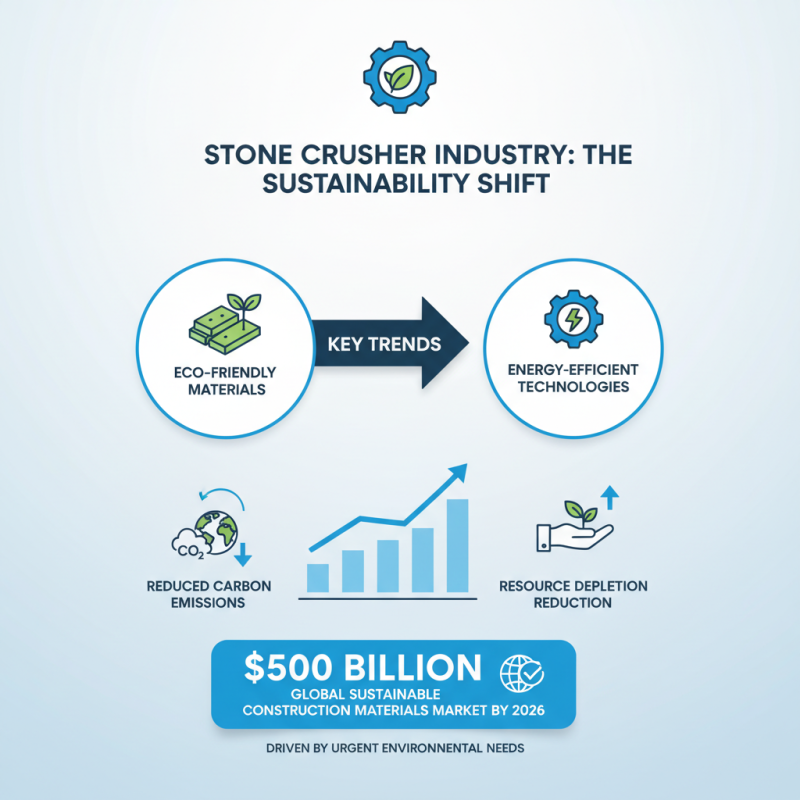
The stone crusher industry is witnessing a significant shift towards sustainability. Eco-friendly materials and energy-efficient technologies are becoming increasingly vital. Recent reports indicate that the global market for sustainable construction materials is expected to reach $500 billion by 2026. This rise is driven by the urgent need to reduce carbon emissions and resource depletion.
Energy efficiency in stone crusher machines is not just a trend; it's a necessity. The latest innovations focus on optimizing energy usage. For instance, some new crushers can reduce energy consumption by up to 30%. This not only improves operational efficiency but also aligns with global sustainability goals. However, many companies still rely on outdated, less efficient machinery. This gap shows a clear need for a shift in practices.
Moreover, the sourcing of eco-friendly materials is gaining traction. Companies are exploring recycled components and sustainable practices in production. Studies have found that using recycled aggregates can decrease overall environmental impact by up to 20%. Yet, challenges remain. The transition to more sustainable practices can face resistance due to costs and existing infrastructure. This reality calls for a reevaluation of priorities within the industry.
Smart Sensors and IoT Applications in Stone Crushing Equipment
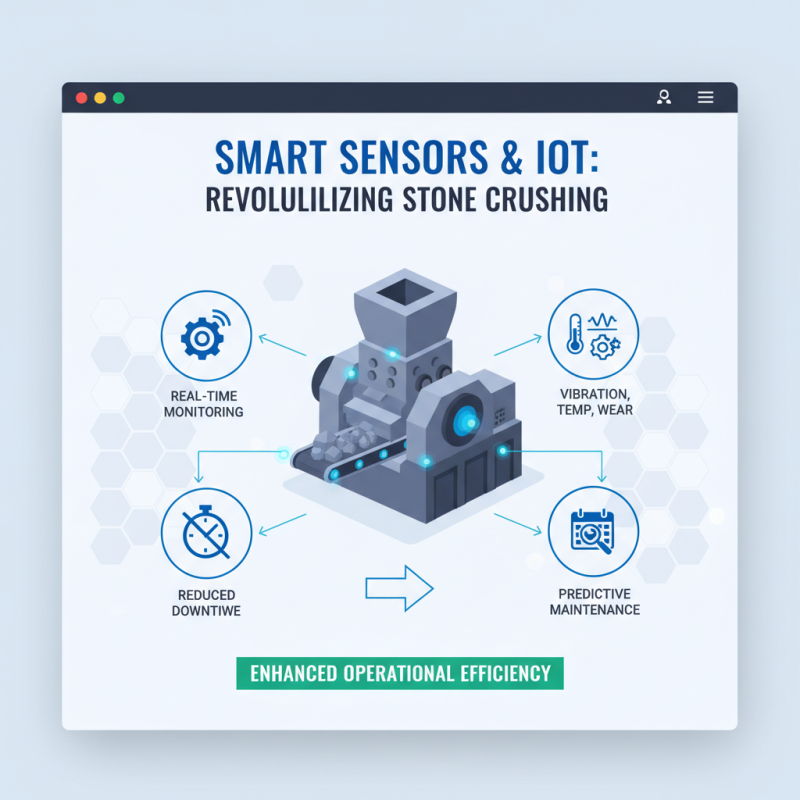
Smart sensors and IoT applications are transforming stone crushing equipment. These technologies enhance operational efficiency significantly. Smart sensors can monitor performance in real-time. They detect vibration, temperature, and wear levels. This information helps in predicting when maintenance is needed. It reduces unexpected downtimes.
Integrating IoT into stone crushers allows for data analysis. Operators can track productivity and equipment status remotely. This connection opens up opportunities for automation. While these advancements are exciting, they also present challenges. The data processing can be overwhelming. Not all companies can utilize this information effectively. Training is crucial but often overlooked.
Moreover, as technology evolves, there's a risk of over-reliance on automation. Human expertise is valuable and cannot be replaced. Balancing technology and traditional methods is key. The innovation in sensor technology is promising, yet it requires careful implementation. Industries must reflect on these changes and adapt accordingly.
Performance Metrics: Enhancing Productivity with Data Analytics
In the rapidly evolving industry of stone crusher machines, data analytics plays a crucial role in enhancing productivity. Reports show that companies leveraging data-driven decision-making see productivity increases of up to 25% within their operations. By analyzing performance metrics, such as output rates and equipment utilization, businesses can identify bottlenecks in their processes.
Real-time data monitoring offers insights that can lead to immediate actions. For instance, if a machine is operating below its optimal capacity, adjustments can be made on the fly. This level of responsiveness is paramount. Meanwhile, an industry survey indicated that 40% of firms report gaps in their data collection methods, leading to missed opportunities in performance optimization.
Investing in analytics tools can seem daunting. While the upfront costs are significant, the long-term savings often outweigh them. However, many companies struggle with integrating these technologies smoothly. Resistance to change can hinder progress. It's a challenge that requires constant reflection and adaptation to truly harness the potential of data analytics in stone crushing technology.
2026 Top Trends in Stone Crusher Machine Technology and Innovation
Future Materials: Innovations in Durable and Lightweight Crusher Design
The future of stone crusher technology is evolving rapidly. Innovations in materials are leading to the development of durable and lightweight designs. Reports indicate that lightweight structures can reduce energy consumption by up to 25% during operation. This reduction is crucial as operators seek efficiency.
Advanced composites and high-strength steels are at the forefront of this shift. These materials offer better resistance to wear and tear. As a result, the lifespan of crushers has significantly improved. For instance, studies show that crushers made from these materials can last 30% longer than traditional options. However, the challenge lies in sourcing these advanced materials sustainably.
Moreover, the trend toward lightweight designs is not just about efficiency. It's also about mobility. Portable and compact stone crushers are gaining traction. Yet, manufacturers face difficulties in maintaining strength while reducing weight. They must balance these aspects carefully. As innovations continue, the need for critical reflection on material choices will become even more important.