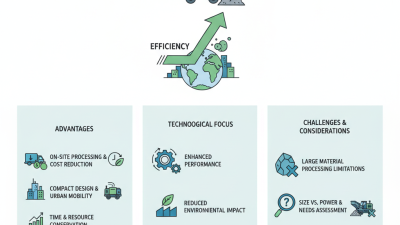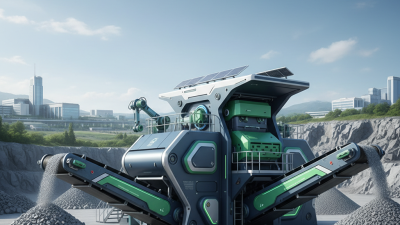
Choosing the right Mobile Stone Crusher in 2026 requires more than comparing advertised capacity. Global buyers must match machine design with rock hardness, feed size, output requirements, transport access, and local operating conditions. A compact jaw crusher may suit recycled concrete and small quarry sites. A tracked impact crusher can deliver useful shaping performance for limestone and construction aggregates. Cone crushers often provide consistent fine output, but they usually require controlled feeding and stronger maintenance planning.
Real purchasing decisions begin at the working site. A muddy access road may favor tracks over wheels. A remote quarry may need a fuel-efficient engine, large hopper, and accessible service points. Dust suppression, noise control, guarding, and emergency-stop systems also deserve careful inspection. These details affect uptime, worker safety, and long-term operating cost more than a brochure headline.
This guide compares the best mobile stone crusher types for global buyers, including jaw, impact, cone, and screening combinations. It considers practical indicators such as tons per hour, discharge adjustment, wear-part life, mobility, fuel use, and after-sales support. Experienced operators know that rated capacity can change sharply with material moisture and feed consistency. Numbers need context.
There is no universal winner.
Buyer priorities differ across regions. Some projects value rapid relocation, while others need steady output for months. Manufacturer reputation, spare-parts availability, technical training, and documented quality procedures should influence the final choice. Even experienced buyers can underestimate maintenance downtime. That is why this overview combines technical comparison with realistic field considerations, helping readers make a more reliable decision for 2026 and beyond.
2026 Best Mobile Stone Crusher Types for Global Buyers
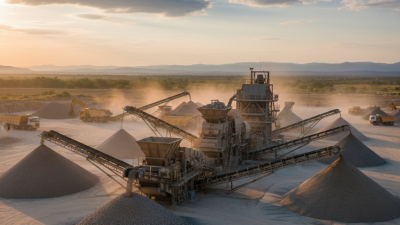
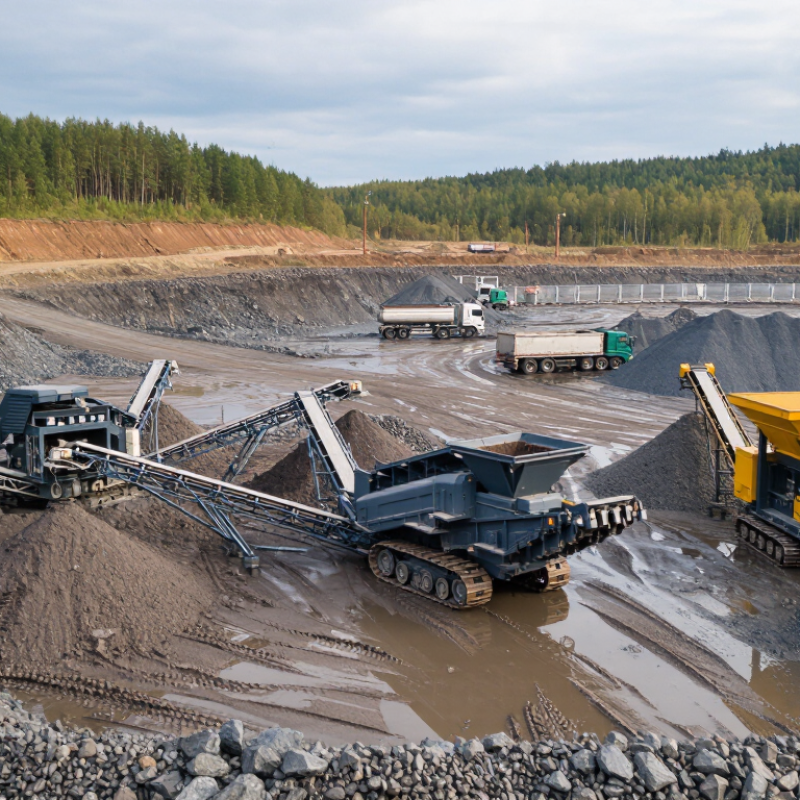
A mobile stone crusher is a movable processing plant for rock and recycled aggregates. It travels on tracks or wheels, reducing hauling distance between the quarry face and project site. The machine receives blasted rock through a hopper. A vibrating feeder meters the material into a jaw, cone, or impact crusher. The selected chamber breaks the stone by compression or impact. A screen then separates usable sizes, while a conveyor transfers finished aggregate to stockpiles or another crusher.
The USGS Mineral Commodity Summaries 2025 reported about 1.5 billion metric tons of crushed stone produced in the United States during 2024. That scale explains the demand for flexible equipment. In practical terms, jaw units suit hard, oversized rock. Cone units handle secondary crushing with steadier grading. Impact units can produce a more cubical shape from softer stone. Closed-circuit systems return oversize material for another pass. Real sites are less tidy. Wet feed, sticky clay, and uneven rock can reduce capacity sharply.
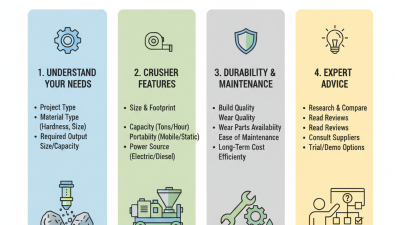
Tips: Check feed size, target output, moisture, and transport limits before choosing a model. Ask for verified capacity under similar stone conditions, not only laboratory figures. Inspect belt access, screen changes, dust control, and emergency stops. A short trial matters. It may reveal problems that a brochure hides. Also compare fuel use per finished ton, because low purchase cost can become expensive during long shifts.
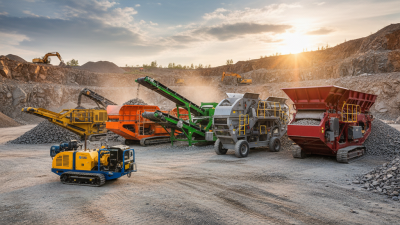
Mobile stone crushers are track- or wheel-mounted machines that reduce blasted rock, demolition waste, and recycled concrete into usable aggregates. Jaw crushers are commonly used for primary crushing, impact crushers for shaping and softer-to-medium-hard materials, cone crushers for secondary or tertiary crushing of hard rock, and VSI crushers for producing cubical manufactured sand. The chart shows indicative typical product-size ranges used in mobile crushing applications; actual results depend on rock properties, feed size, machine settings, and screening.
Main Types of Mobile Stone Crushers for Global Applications
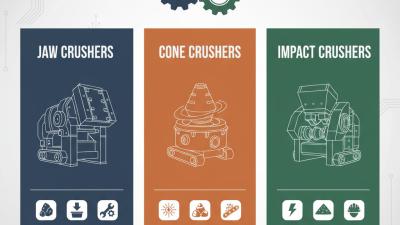
Mobile stone crushers usually fall into jaw, impact, and cone configurations. Jaw crushers handle hard, abrasive rock at primary stages. Their deep chambers accept uneven feed from blasted granite or limestone. Impact crushers suit softer stone and recycled concrete. They produce a more cubical shape, but excessive steel contamination can damage internal parts. Cone crushers refine already reduced material. They perform well in secondary and tertiary applications, especially when strict grading matters.
Mobility also changes the selection. Tracked units move across muddy benches and narrow quarry roads. Wheeled units travel faster between prepared sites. A compact jaw crusher may serve small road projects, while a multi-stage setup supports large aggregate production. The U.S. Geological Survey reported about 1.5 billion metric tons of crushed stone produced in the United States during 2024. That scale explains the demand for dependable primary reduction. Eurostat’s 2024 waste statistics identified construction and demolition waste as roughly 38% of EU waste generated in 2022. This supports mobile impact crushing for concrete and asphalt recycling. Real sites are messier. Dust, moisture, power supply, and operator skill can change the best choice. A cone crusher may appear efficient, yet poor feeding can reduce output sharply. Buyers should compare actual feed size, abrasion index, target product, fuel use, and service access. Catalog capacity is only a starting point.
| Mobile Crusher Type | Typical Crushing Stage | Suitable Feed Materials | Typical Maximum Feed Size | Typical Capacity | Common Product Size | Main Global Applications | Key Advantages | Important Limitations |
|---|---|---|---|---|---|---|---|---|
| Mobile Jaw Crusher | Primary crushing | Granite, basalt, limestone, concrete, demolition waste | Up to approximately 1,200 mm | 100–600 t/h | 25–300 mm | Quarries, road construction, mining, recycling, hard-rock processing | High compression strength; accepts large, irregular feed; relatively simple maintenance | Product is generally less cubical; a secondary crusher is often required |
| Mobile Impact Crusher | Primary or secondary crushing | Limestone, recycled concrete, asphalt, soft to medium-hard rock | Approximately 600–1,000 mm | 100–500 t/h | 10–100 mm | Aggregates, concrete recycling, asphalt recycling, railway ballast production | Produces a well-shaped cubical product; effective for recycling and high reduction ratios | Higher wear and energy consumption when processing highly abrasive rock |
| Mobile Cone Crusher | Secondary or tertiary crushing | Granite, basalt, diabase, quartzite and other abrasive hard rock | Approximately 200–350 mm | 80–500 t/h | 6–80 mm | High-quality aggregates, manufactured sand feed, mining and hard-stone quarries | Good shape control, consistent gradation and strong performance with abrasive materials | Requires controlled feed; normally cannot replace a primary crusher for large rock |
| Mobile Hammer Crusher | Primary or secondary crushing | Limestone, gypsum, coal, marl and other low-abrasion materials | Approximately 300–800 mm | 50–300 t/h | 5–80 mm | Cement raw materials, lime production, coal preparation and small aggregate projects | High reduction ratio and compact equipment layout; can produce relatively fine material | Rapid wear and possible blockage when feed is wet, sticky or highly abrasive |
| Mobile VSI Crusher | Tertiary crushing and shaping | Pre-crushed rock, manufactured sand feed, concrete and asphalt aggregates | Approximately 50–100 mm | 80–300 t/h | 0–25 mm | Manufactured sand, cubic aggregate production, asphalt and concrete mix applications | Excellent particle shaping; suitable for improving the quality of cubical fine aggregates | Needs a properly sized upstream crusher; wear can increase with abrasive feed |
| Mobile Jaw–Cone Crushing Plant | Primary plus secondary crushing | Hard rock, river stone, granite, basalt and recycled aggregates | Up to approximately 1,000 mm | 150–400 t/h | 6–100 mm | Multi-stage quarrying, highway aggregates, mining and large infrastructure projects | Combines large-feed handling with controlled final sizing and good product quality | Higher investment, transport weight and setup requirements than a single mobile unit |
| Mobile Jaw–Impact Crushing Plant | Primary plus secondary crushing | Limestone, recycled concrete, asphalt and medium-hard rock | Up to approximately 900 mm | 120–450 t/h | 10–80 mm | Recycling yards, road projects, urban demolition and general aggregate production | Flexible two-stage process with good cubical shape and strong recycling capability | Impact wear parts may require more frequent replacement with abrasive hard rock |
| Compact Mobile Jaw Crusher | Primary crushing | Small quarry stone, concrete, bricks and demolition materials | Approximately 400–700 mm | 30–150 t/h | 20–100 mm | Urban construction, small recycling sites, rental operations and remote projects | Lower transport and setup requirements; suitable for restricted working areas | Lower output and smaller feed opening than full-size mobile crushing plants |
Note: Capacity, feed size and product size are typical industry ranges for general comparison. Actual results vary with material hardness, moisture, bulk density, feed gradation, crusher configuration and operating conditions.
For global buyers, mobile crusher selection should start with the feed material, not the brochure. The U.S. Geological Survey’s 2024 Mineral Commodity Summaries estimated about 1.9 billion metric tons of crushed stone production in the United States during 2023. Such volume shows why throughput matters, but rated capacity can mislead. A machine listed at 300 tonnes per hour may deliver less with wet, oversized, or abrasive rock. Compare expected output, feed opening, crushing stages, and screening efficiency under your actual conditions.
Power affects production, fuel use, and maintenance. A higher-rated engine can handle hard rock and steep ramps better, yet it may waste fuel during light-duty work. Check power per tonne, not engine size alone. Mobility also has a practical cost. Track units reduce relocation time on quarries and road projects, while transport width, machine weight, and setup time affect permits and logistics. The World Bank’s April 2025 Commodity Markets Outlook highlights continuing commodity-price volatility, so fuel and transport assumptions deserve regular review.
Tips: Request test results using your own feed sample. Record tonnes per hour, fuel consumed, product size, and downtime. Leave a realistic margin for moisture and operator variation. A neat spreadsheet can still mislead. I would also compare service access, dust control, and spare-part availability before choosing maximum capacity. The cheapest hourly rate may not be the lowest project cost.
Choosing a mobile stone crusher in 2026 requires more than comparing output figures. The right machine must match material hardness, feed size, product shape, and site conditions. Jaw crushers suit primary reduction of hard, abrasive rock. Impact crushers can produce better-shaped aggregates from softer or recycled material. Cone crushers support consistent fine production, but they need controlled feeding and regular liner checks. A tracked unit improves movement across rough ground, while a wheeled unit may suit projects with prepared roads. Field experience shows that mobility saves time only when setup areas are planned carefully. Otherwise, relocation becomes an expensive delay.
Check capacity under realistic operating conditions, not only the maximum figure in a brochure. Moisture, oversize stones, dust, and uneven feeding can reduce output sharply. Ask for fuel use, maintenance access, noise data, safety controls, and spare-part availability. A crusher with lower headline capacity may deliver more usable tonnes per hour. Consider the complete circuit, including screens, conveyors, magnets, and loaders. Power availability also matters in remote quarries. Electric drive can reduce local emissions, yet it depends on stable infrastructure. No option fits every site. One short test cannot represent a full season.
Tips: Measure the largest feed stone before choosing the inlet. Keep records of downtime and product quality during trials. Inspect wear areas daily during the first operating week. Leave space for safe maintenance. Recheck the decision after rainfall, because slippery roads can change mobility needs.
Choosing a mobile stone crusher involves more than checking output capacity. Field inspections often find blocked emergency stops, exposed pinch points, and poor access around inspection doors. Keep guards fitted, isolate power before clearing material, and use a documented lockout procedure. Shortcuts become expensive. The U.S. Bureau of Labor Statistics recorded 1,069 workplace deaths in construction and extraction occupations in 2023, showing why site controls deserve daily attention.
Maintenance should follow measured conditions, not guesswork. Check belt tracking, jaw or impact wear, hydraulic leaks, lubrication levels, and conveyor alignment before each shift. Record vibration, temperature, and abnormal noise. These simple records help identify failure earlier. ISO 21873-2 provides safety requirements for mobile crushers, while ISO 13849-1 supports risk-based control-system design. However, standards cannot replace competent inspection. A checklist may look complete while a worn retaining pin remains unnoticed.
Transport planning needs equal discipline. Confirm machine weight, folded dimensions, axle loads, ramp angles, and route restrictions before dispatch. Use rated tie-down equipment and verify restraint points after the first few kilometres. In the United States, cargo-securement rules under 49 CFR Part 393 require loads to withstand defined forces during transport. Local requirements may differ. Never assume a familiar trailer is suitable. Oversized signs, permits, escort vehicles, and bridge limits can change by jurisdiction, so buyers should obtain written confirmation from the carrier and local authorities.